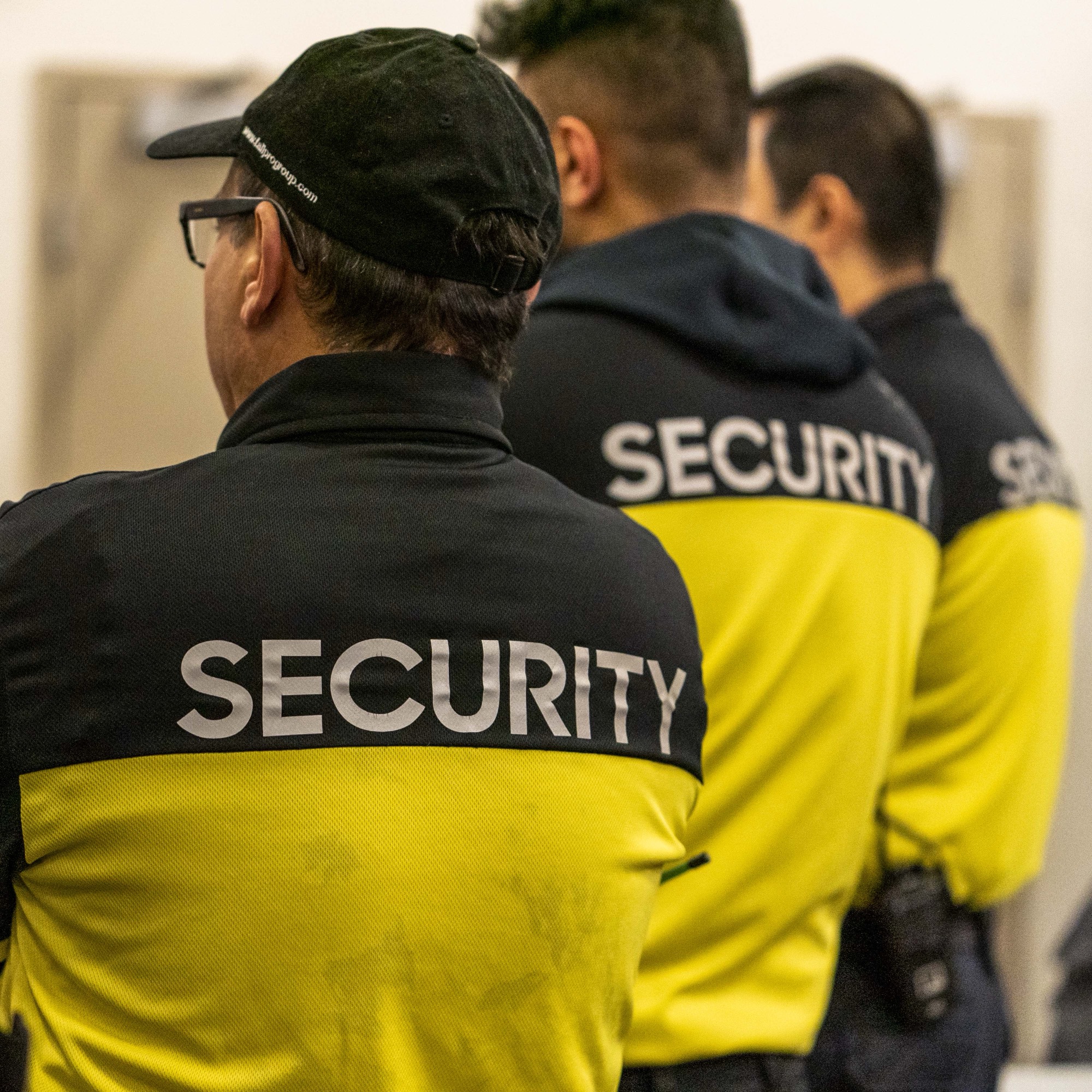

Lessons learned
Building a Small Town: shared lessons learned from planning live events
For anyone looking for insight into how to build trust with regulators when planning events with community impact.
Before you start
Read this first.
Who it's for
Anyone looking for insight into how to build trust with regulators when planning events with community impact.
Indoor or outdoor, any kind of event. Written especially for organizers who aren't working inside an established third-party venue, like an arena or convention centre.
What it is
Lessons learned over twenty-plus years of running events, from someone who's watched things go wrong and made plenty of mistakes along the way. Still learning every day.
Written to help you work with your regulators, not around them. Fifteen minutes to read.
What it isn't
A how-to guide, professional advice, a standard, the law, or a permit. It doesn't replace due process or experts. Take it or leave it.
(We'd take it.)
Fine print: general information, not legal, engineering, medical or fire advice. Local law and your regulators always win. Examples are examples, not complete lists.
What’s inside
Eight big ideas. Your experts handle the details.
The big things to get right: how to work with regulators instead of around them, why budget shortfalls become safety shortfalls, and the questions a judge might ask about your decisions.
- 01MoneyWhere budgets quietly turn into safety problems.
- 02TimeHow far ahead is far enough.
- 03CapacityWhy it isn't floor space divided by a number.
- 04CrowdsHow a crowd stops being able to look after itself.
- 05SpecialistsThe one question to ask every vendor.
- 06The hard callsWho decides, and when, before the day.
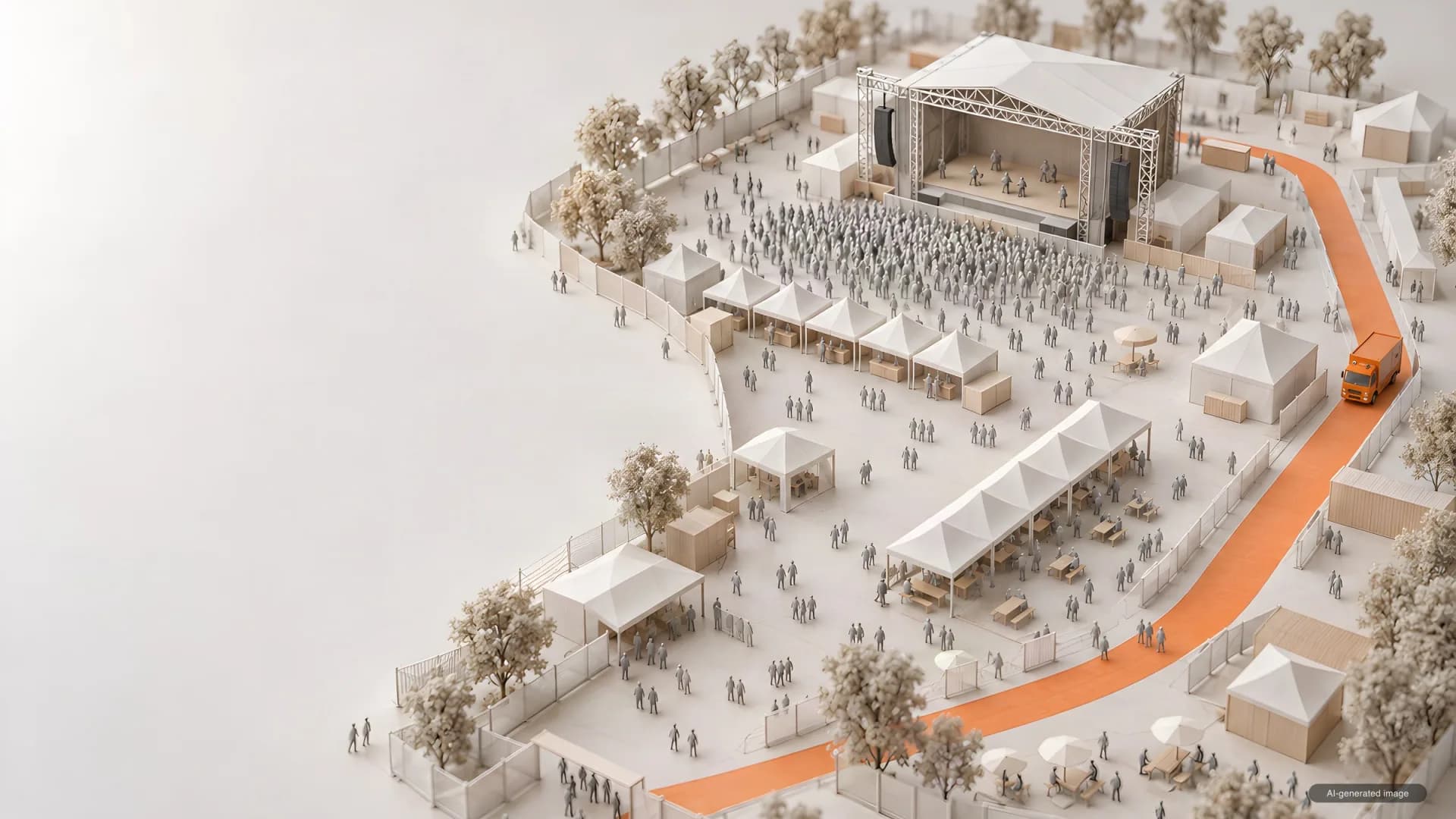
- 07WelfareThe people who will need help.
- 08NeighboursThe people outside your fence.
Part One · The event
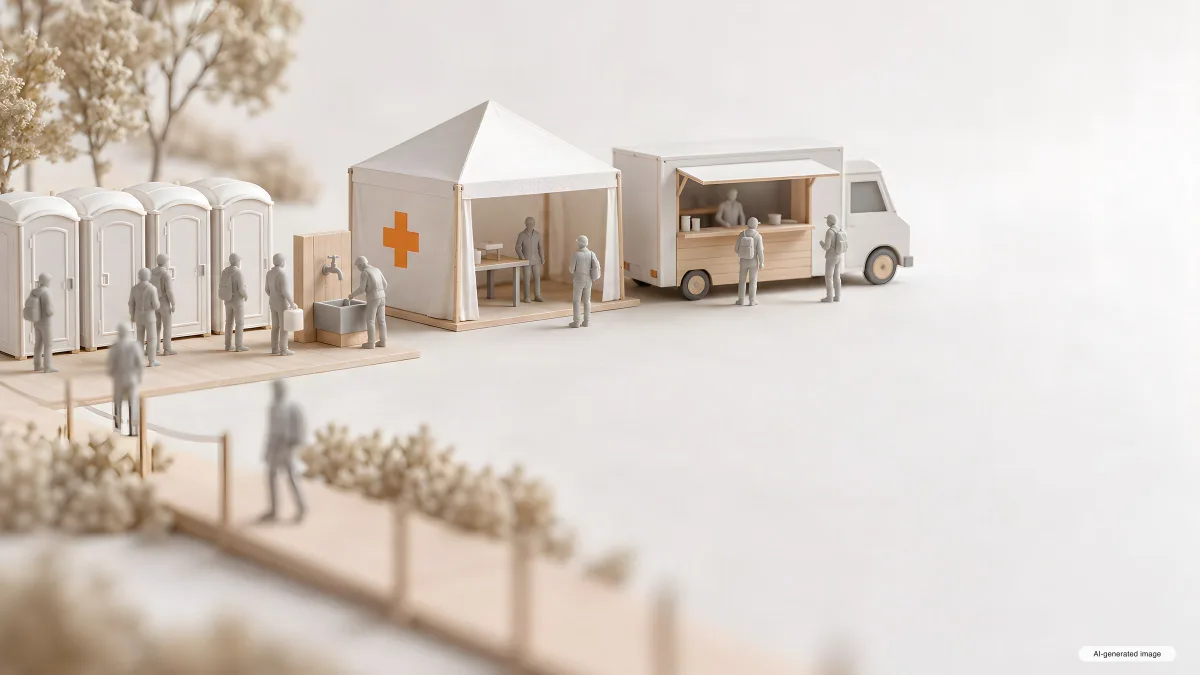
You're building a small town.
The analogy the whole thing is built on, and what it means for everyone who walks through your gate.
Part One · The leader
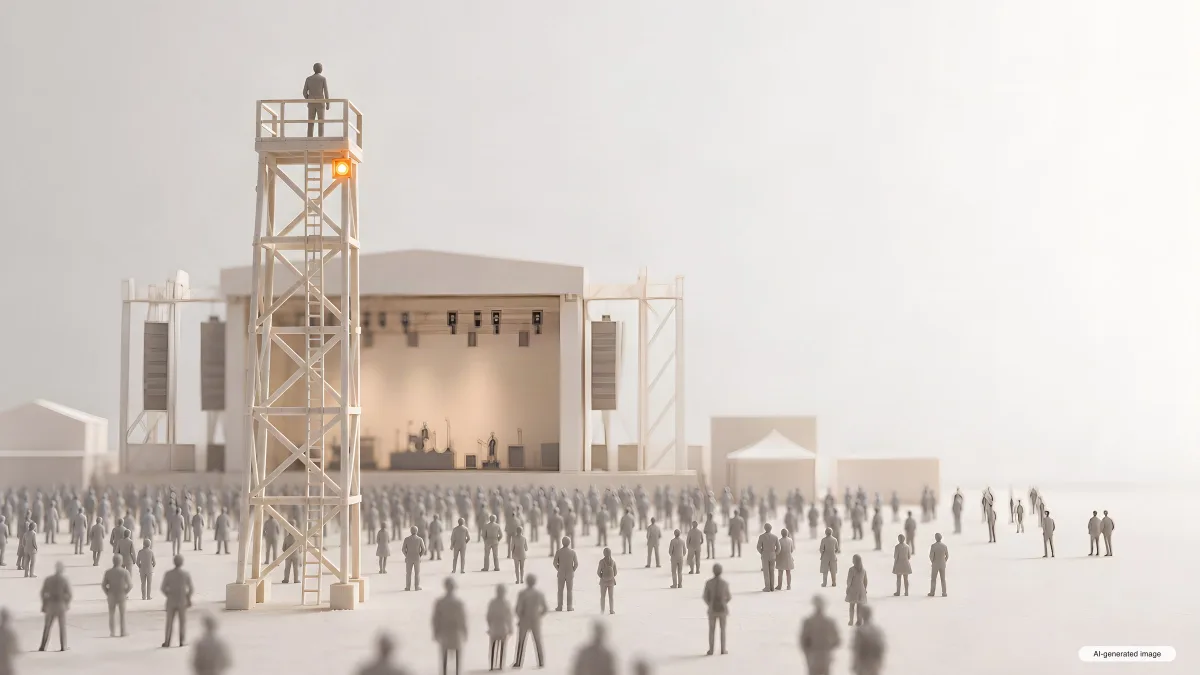
Find your adult in the room.
The person with the dream isn't always the person with the skills to run the operation.
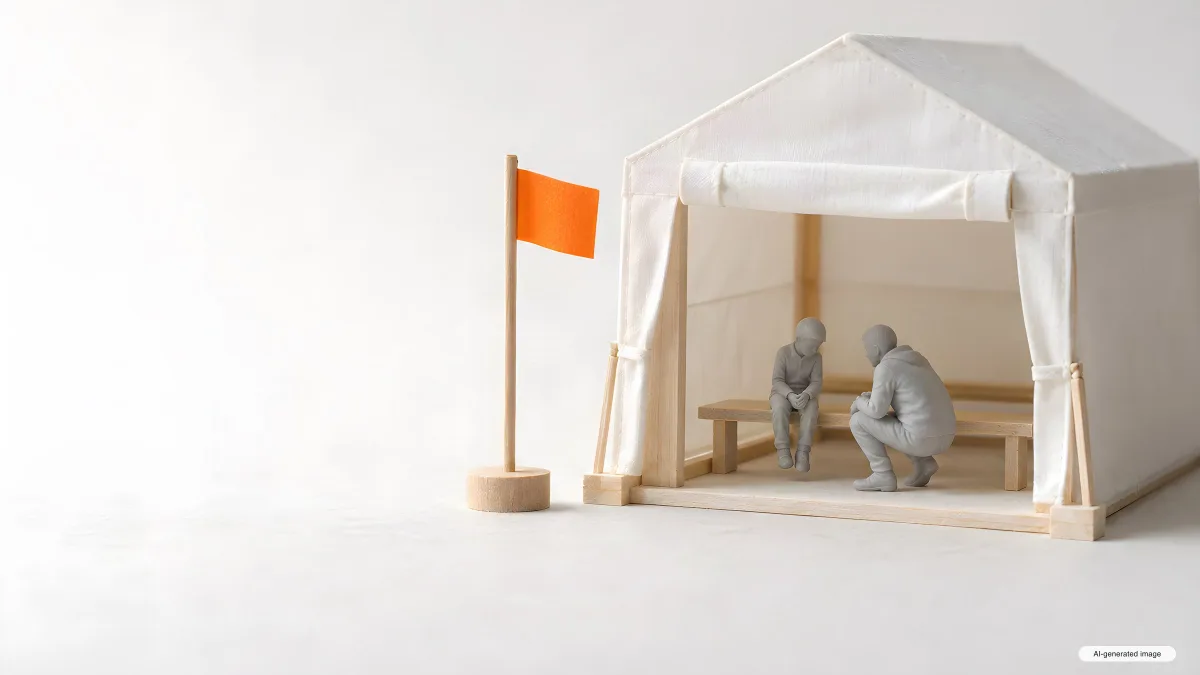
Part Two · Welfare
Some people will need help.
Planning for the part of the night nobody puts on the poster.
Part Three · Gut Check
Tick what’s true. Be honest.
Eight honest questions to answer before you commit. In the download.
Part Three · Asking for another chance
Last event went badly? Say so.
What to say to your regulators, what never to say, and how to earn back their trust.
Hard stops: don’t learn by experimenting on thousands of people.
 AI-generated image
Build something people will remember.
Build it so everyone goes home.
Free PDF
Get the download.
Enter your name and email and we’ll send you the link right away: desktop and mobile editions, both free.
Published by XA Security. Licensed CC BY-NC-ND 4.0. No spam. One email, unless you ask for more.
Get the download
Free PDF. We’ll email you the download link.
Questions
Frequently asked questions.
How do I start planning a music festival or a big public event?
Start with people, not a date: someone who has run an event this size, and your regulators, brought in early. The free PDF walks through what to think about first.
How far ahead should I start planning a big event?
Earlier than most people think, and bigger events need longer. Your city's deadlines are the latest you can go, not the target.
How do I work out a safe crowd capacity?
It isn't floor space divided by a fire-code number. Every part of your site has its own limit, and the PDF explains why the smallest one wins.
Do I need to talk to police, fire and the city before I announce?
Yes, and early. Regulators review your plan rather than write it, and most of them want your event to succeed.
Is this a legal or safety standard?
No. It's lessons learned, not a standard, a law, or professional advice. For the standards themselves, see the ANSI ES1 series, the Purple Guide, the Green Guide, the Event Safety Alliance's Event Safety Guide, Event Safety Alliance Canada, and the GCMA Field Guide to Crowds.
What if my last event went badly?
Say so. The PDF has a short section on asking for another chance: what to say, and what never to say.
What does it cost?
Nothing. It's a free PDF, published by XA Security under CC BY-NC-ND 4.0.
How this was made
The knowledge, stories and analogies come from more than twenty years of running events. AI helped draft the copy and make the illustrations; every image is labelled, and people at XA Security audited the whole thing before it went out. Found a mistake? Tell us at smalltown@xasecurity.ca.
This document shares general information and personal opinions about planning public events. It is not legal, engineering, medical, fire-safety or other professional advice, and it does not replace the law, codes, permit conditions, industry standards or the direction of any authority having jurisdiction. Confirm current requirements with your regulators and qualified professionals before acting on anything in it.